
01 / Product Intelligence
Automated LCA and product carbon footprints, at scale.
Automated lifecycle assessments, product carbon footprints and digital product passports — from a single SKU to entire global catalogues, embedded directly into your business.
- 200k+
- LCA calculations
- ISO 14067
- SGS-validated methodology
- API-first
- Enterprise integration
02 / Bring Product Intelligence into your business
Add LCA, PCF and DPP data to every product.
Whether you’re managing a few products or millions of SKUs, turn fragmented product data into scalable, traceable environmental intelligence.
03 / Product Intelligence in action
LCA results for every product category.
From a running shoe to a smartphone or a wooden chair. Explore the product record, lifecycle contribution and evidence behind an illustrative answer.
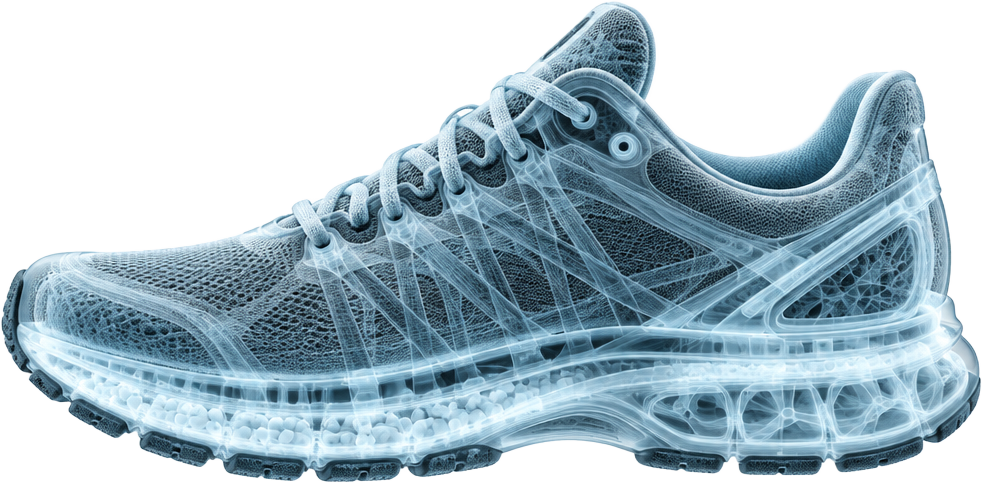
Conceptual product imagery and illustrative values — not physical scans, calculated or verified product assessments.
Talk to ZeroPactThe intelligence behind every answer.
AI interprets. Science calculates. Evidence makes it defensible.
- 01
Understand
Materials, quantities, geography, context
- 02
Enrich
Evidence-led gap resolution
- 03
Model
Compatible lifecycle processes
- 04
Calculate
Controlled impact methods
- 05
Trace
Sources, versions, lineage
LCA / Product output
Running shoe · SKU-RN-2048
Per pair · cradle-to-grave
- Running shoe
- Smartphone
- Wooden chair
Illustrative values only — not a calculated or verified product assessment.
- Climate change / PCF
- 8.6kg CO₂e
- Water consumption
- 0.12m³
- Fossil resource use
- 94MJ
- Land use
- 1.4m²·year
Climate impact by lifecycle stage
- Materials62%
- Manufacturing21%
- Transport9%
- Packaging4%
- End of life4%
- Output
- LCA metrics · PCF · DPP-ready fields
- Evidence
- Sources · assumptions · inferred attributes
- Traceability
- Model version · factors · calculation record
Conceptual product x-rays
04 / Inside the intelligence engine
What happens between a product record and an environmental answer?
An intelligent, evidence-led pipeline that transforms fragmented product information into traceable lifecycle assessments.
Input
RS-2041
- 01
Ingest
It starts with what you already know.
Product records + selected boundary
- 02
Parallelise
One catalogue. Thousands of independent calculations.
Recombined results + per-product outcomes
- 03
Normalise
Different data. One consistent language.
mass: 0.29 kg · structured inventory
- 04
Enrich
AI finds the evidence. Rules decide what belongs.
Accepted value + citation + support level
- 05
Map
Matching data to physical reality.
Compatible ecoinvent process + version
- 06
Model
Every material has a production story.
Material and manufacturing inventory
- 07
Transport
Every journey has an impact.
Leg impacts → weighted chain impact
- 08
Lifecycle
The lifecycle doesn’t end at the factory gate.
Boundary-specific lifecycle inventory
- 09
Calculate
Beyond carbon. Across environmental impacts.
PCF + selected environmental indicators
- 10
Trace
Every result has a history.
Not just an answer. An answer you can explain.
Output
01 / 10
Input
Workbook / JSONL / enterprise input
Output
Product records + selected boundary
Original customer submission
Ingest
It starts with what you already know.
Complete-data mode requires a validated inventory. Assisted enrichment can begin with SKU, product name and manufacturing location; calculation waits until required inventory is sufficiently resolved.
Method & evidence
The customer selects the system boundary, available impact methods and indicators. Three identifiers establish context, not a complete inventory.
Illustrative product record and transformations.
05 / Beyond carbon
Carbon is one indicator. The environment is more complex.
Different impact categories can reveal different hotspots. Explore lifecycle contributions for an illustrative running shoe; each indicator keeps its own unit.
Running shoe / illustrative impact
8.6
kg CO₂e
Climate change · lifecycle contribution
- Materials
- 62%
- Manufacturing
- 21%
- Transport
- 9%
- Use
- 4%
- End of life
- 4%
Illustrative values only.
06 / One engine, three ways to deploy
Your intelligence. Your environment.
API-first, not API-only. One shared intelligence engine adapts to the way your organisation operates.
ZeroPact intelligence engine
Evidence · methods · calculation · lineage
product record → intelligence engine
SKU · materials · boundary · evidence
← structured environmental assessment
PCF · indicators · stages · lineage
Conceptual integration · not production API documentation
Embedded APIs
Environmental intelligence inside your existing systems.
Connect Product Intelligence to PIM, PXM, DPP Solutions, ERP, marketplaces and e-commerce workflows without leaving the systems your teams already use.
Discuss API integrationProduct Intelligence
Automated LCA and product carbon footprints, at scale.
Automated LCA, PCF and DPP data for whole catalogues — delivered into the systems you already use.
- 01
LCA at scale
Cradle-to-grave assessments across catalogues.
- 02
Carbon footprints
ISO 14067 product carbon footprints.
- 03
Digital Product Passports
Structured data ready for DPP.
- 04
APIs
Into PIM, PXM, DPP Solutions and ERP.
See one product assessed
Automated LCA and product carbon footprints, at scale.
Illustrative
- 01
Product record
Running shoe · 14 materials
- 02
AI assessment
Mapping materials to lifecycle data
- 03
LCA · PCF · DPP
- PCF
- —kg CO₂e per pair
- LCA
- —
- DPP
- —
Product results with evidence and traceability.
- Credible numbers for every product, not just a sample.
- Evidence and lineage behind every result.
- Ready for DPP and customer requests.
Methodology detail
ZeroPact’s product carbon accounting methodology has been validated by SGS Tecnos S.A.U., in accordance with ISO 14064-3:2019, as meeting the principles and rules of ISO 14067:2018 for cradle-to-grave GHG quantification across different product categories.
Methodology Validation Opinion · 958-386672-02_V0 · 4 February 2026
Credibility
- LCA calculations
- 200K+
- SGS certified
- ISO 14067